October 28, 2026
Owning a swimming pool provides a place to relax, exercise, and entertain family and friends. A well-maintained pool can also contribute to a property's value and appeal. However, keeping the water clean and equipment operating efficiently requires consistent attention. From balancing chemicals to preparing for seasonal weather changes, understanding essential pool services helps homeowners protect their investment, prevent expensive repairs, and enjoy a safe swimming environment.
Maintain Proper Water Chemistry
Test and Balance Chemical Levels
Regular water testing is the foundation of effective pool maintenance. Testing identifies chemical imbalances before they cause cloudy water, irritation, or equipment damage. Maintaining a pH level between 7.2 and 7.8 supports sanitizer effectiveness and swimmer comfort. Total alkalinity, generally maintained between 80 and 120 parts per million (ppm), stabilizes pH and prevents sudden fluctuations.
Calcium hardness also requires attention. Low levels can contribute to surface deterioration, while excessive calcium can create scale on pool walls and equipment. Appropriate ranges depend on the pool's surface and manufacturer recommendations. Professional pool services help homeowners establish suitable chemical targets and correct imbalances before they become persistent problems.
Monitor Sanitizer and Chlorine Levels
Chlorine controls harmful microorganisms and keeps pool water sanitary. For many residential pools, free chlorine is typically maintained between 1 and 3 ppm, although recommendations vary depending on the sanitation system. Regular testing helps ensure adequate protection against bacteria and algae.
Saltwater systems also require proper sanitizer monitoring, even though they generate chlorine differently. Homeowners should follow equipment instructions and adjust treatments based on pool usage and weather. Consistent chemical management supports clear water while protecting swimmers and pool components.
Improve Filtration and Water Circulation
Clean and Maintain Pool Filters
Pool filters remove dirt, fine particles, and other contaminants that make water cloudy. Sand, cartridge, and diatomaceous earth filters each offer different advantages. Sand filters are straightforward to maintain, cartridge filters capture fine particles without routine backwashing, and diatomaceous earth filters provide highly effective filtration when properly maintained.
Every filter needs regular cleaning according to its design, operating pressure, and usage. Neglecting maintenance can restrict water flow, reduce filtration performance, and strain the pump. Routine pool services help ensure filters remain effective and identify components needing repair or replacement.
Keep Pumps and Skimmers Operating Efficiently
Proper circulation distributes chemicals throughout the pool and prevents stagnant areas where algae can develop. The pump, return jets, and skimmer work together to move water through the filtration system. Cleaning skimmer and pump baskets regularly removes leaves, insects, and debris that could restrict flow.
Watch for unusual pump noises, air bubbles, leaks, or changes in water pressure. These symptoms may indicate mechanical problems. Addressing concerns early can prevent equipment damage and reduce energy consumption. A properly maintained circulation system supports consistent water quality.
Remove Debris and Prevent Algae Growth
Skim, Vacuum, and Brush Pool Surfaces
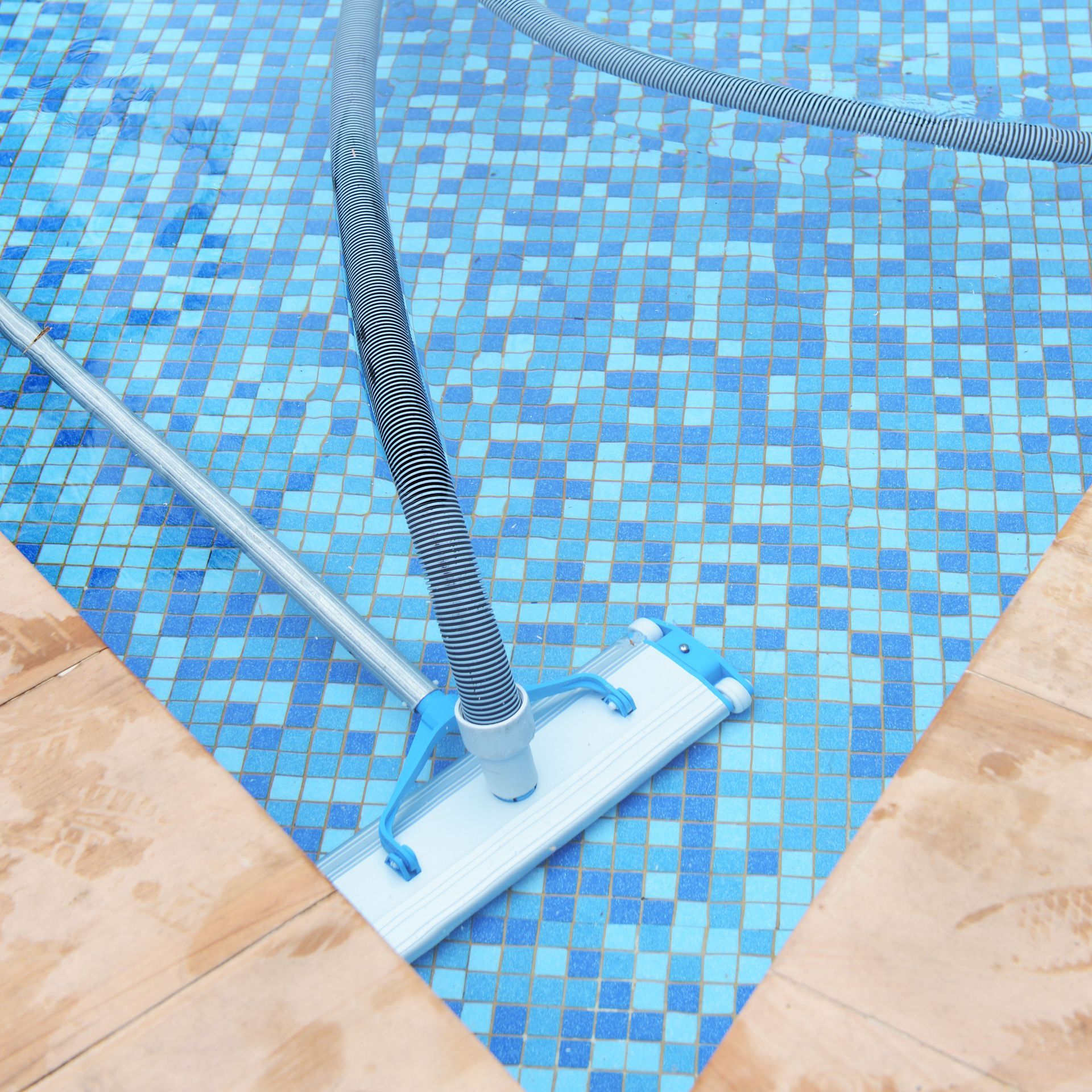
Leaves, insects, and dirt accumulate quickly, especially during windy weather or periods of heavy use. Skimming removes floating materials before they sink, while vacuuming clears dirt and sediment from the pool floor. Brushing walls, steps, and corners removes buildup and disrupts algae before it spreads.
Skim frequently, vacuum as needed, and brush pool surfaces at least weekly during swimming season. Pools surrounded by trees or used regularly may require more attention. Consistent cleaning reduces the workload on filters and keeps the water inviting.
Use Preventive Algae Treatments
Algae can turn clear water green, create slippery surfaces, and make a pool less appealing. Green algae are common, while yellow and black varieties can be more difficult to eliminate. Maintaining suitable chlorine levels, brushing surfaces, and ensuring proper circulation help prevent outbreaks.
Algaecides may provide additional protection when appropriate for the pool's sanitation system. Shock treatments can address accumulated contaminants after heavy swimming activity. Apply treatments according to product directions and current water chemistry. Reliable pool services can identify recurring algae problems and recommend effective solutions.
Clean Pool Toys and Accessories
Pool toys, floats, and other accessories can collect dirt and organic material. Rinse them regularly and allow them to dry before storing them in a clean area. Remove damaged items that could create safety concerns.
A properly fitted pool cover or leaf net also reduces debris entering the water. Covers may help retain heat and limit evaporation, depending on their design. Combining these measures with regular cleaning makes maintenance more manageable.
Adjust Maintenance for Every Season
Prepare the Pool for Winter
Cold weather can damage plumbing, pumps, filters, and other equipment if the system is not prepared correctly. Winterization may involve balancing the water, lowering its level when appropriate, protecting plumbing lines, and installing a suitable cover. The process depends on the climate, pool design, and equipment specifications.
In areas where freezing temperatures are common, proper winter preparation is especially important. Professional assistance helps prevent overlooked steps that could lead to cracked pipes or costly spring repairs. Pools that remain operational throughout winter may still require adjustments to circulation and cleaning schedules.
Restore the Pool in Spring
Opening a pool after winter requires more than removing the cover. Inspect the pool surface, clean debris, reconnect equipment where necessary, and verify that pumps and filters operate correctly. Test and balance water chemistry before swimming resumes.
Addressing problems during the initial inspection can prevent disruptions later. Scheduled pool services can identify worn components, leaks, and filtration issues before regular use increases the system's workload.
Manage Summer Heat and Autumn Leaves
Summer brings higher temperatures, stronger sunlight, and increased swimming activity. These conditions accelerate sanitizer loss and encourage algae growth. Testing water frequently, cleaning filters, and monitoring circulation help maintain water quality.
Autumn creates a different challenge as leaves and organic debris enter the water. Frequent skimming and a suitable cover limit buildup, while cleaning baskets, prevent restricted circulation. Seasonal adjustments help prepare the pool for colder weather.
Schedule Professional Inspections and Repairs
Identify Equipment Problems Early
Routine inspections can uncover problems with pumps, filters, heaters, plumbing, and electrical components. Warning signs include unexplained water loss, unusual sounds, poor circulation, and inconsistent heating. Prompt attention helps prevent small issues from becoming expensive repairs.
Homeowners can handle basic cleaning, but complicated leaks, electrical concerns, and persistent mechanical problems require qualified professionals. Consistent pool services provide additional protection through equipment checks and maintenance recommendations.
Choose a Reliable Pool Maintenance Provider
When comparing providers, consider their experience, customer reviews, insurance, and available services. Ask whether routine visits include water testing, chemical adjustments, debris removal, filter maintenance, and equipment inspections. Understanding what's included helps homeowners choose appropriate support.
A dependable provider explains maintenance concerns, recommends suitable solutions, and identifies issues requiring additional work. Establishing a consistent schedule makes pool ownership easier while reducing unexpected disruptions.
Protect the Pool's Long-Term Value
Regular maintenance preserves a swimming pool's appearance, functionality, and structural condition. According to Ruby Home, swimming pools can boost the value of a home up to 7%. The actual impact depends on the property, location, and local buyer preferences, but a well-maintained pool can support overall appeal.
Preventive care also extends equipment life and reduces avoidable repairs. Combining routine homeowner tasks with professional inspections helps protect the investment and keeps the pool ready for use.
Keep Your Pool Clean and Ready Year-Round
Maintaining clear pool water requires balanced chemistry, effective filtration, regular cleaning, seasonal preparation, and timely repairs. A consistent routine helps prevent algae growth, protects equipment, and creates a safer environment for family and guests.
For help maintaining a beautiful swimming pool throughout every season, contact Sparkling Kleen Pools & Spas. Professional pool services simplify maintenance, address developing problems, and help protect your pool so you can spend more time enjoying it.